What is an upper GI endoscopy?
An upper GI endoscopy (also called gastroscopy or OGD) uses a thin, flexible tube with a high-definition camera to look at the lining of the food pipe (oesophagus), stomach and first part of the small intestine (duodenum). Dr. Kalia uses narrow band imaging (NBI), which highlights the surface pattern of the lining and helps pick up subtle changes such as early cancers.
Why it is done
- Acidity or heartburn that does not settle with medicines
- Upper abdominal pain, nausea or vomiting
- Difficulty or pain while swallowing
- Vomiting blood or black stools
- Anaemia or weight loss without a clear cause
- Testing for H. pylori, coeliac disease and taking biopsies
Is it painful?
Most people find it much easier than they expect. A throat spray numbs the back of the throat, and light sedation can be given so that you are relaxed and comfortable. The examination itself usually takes 5–10 minutes.
What to expect
-
1
Fast for 6–8 hours
No food for 6–8 hours before; sips of water up to 2 hours before unless told otherwise.
-
2
Tell us your medicines
Especially blood thinners, diabetes medicines and insulin.
-
3
The procedure
Throat spray ± sedation; 5–10 minutes.
-
4
Recovery
Rest 30–60 minutes. If sedated, do not drive for the rest of the day.
Conditions this helps with
Frequently asked questions
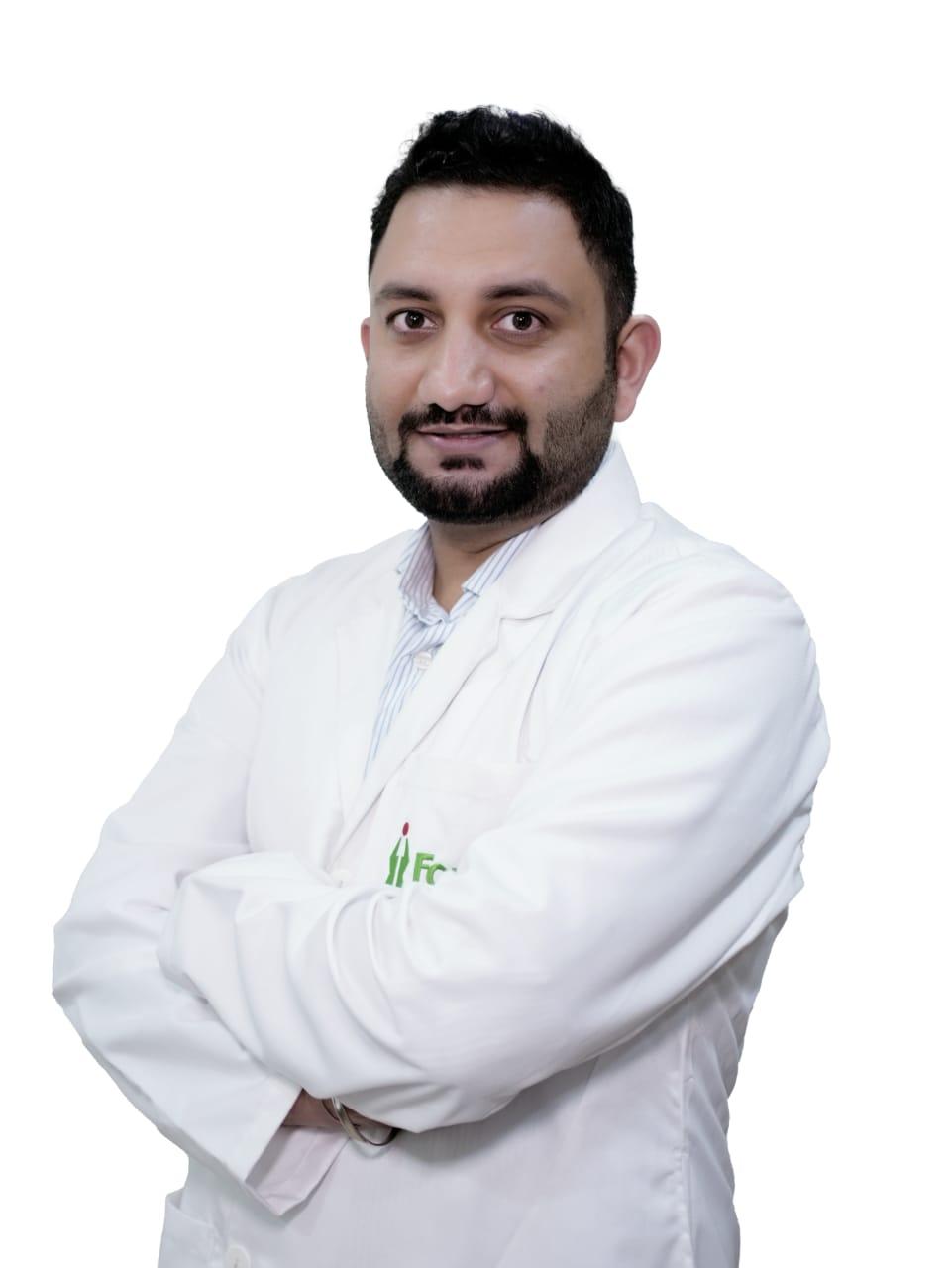
Medically reviewed by Dr. Shivam Kalia MBBS, MD (Medicine), DM (Gastroenterology) · Consultant Gastroenterologist & Hepatologist